
Supporting Autistic Youth: Everyday Acceptance

For many youth with Autism Spectrum Disorder (ASD), access to care is not just about availability. It’s about whether services are designed to embrace their unique needs. Individuals with ASD experience significantly higher rates of co-occurring health conditions, including epilepsy, gastrointestinal challenges, Attention Deficit/Hyperactivity Disorder (ADHD), and anxiety. Yet despite this increased need, access to appropriate, responsive care remains inconsistent in the social services realm.
Too often, the challenge is not the presence of services, but rather how these services are delivered. Sensory sensitivities, communication differences, and stigma can make traditional clinical settings feel overwhelming to people with autism and their families. At the same time, barriers such as transportation, scheduling, and fragmented systems can add additional strain for individuals and families already navigating complex needs. The result can be delayed care, service avoidance, and widening gaps in diminished outcomes.

Seeing Autism Beyond Stereotypes
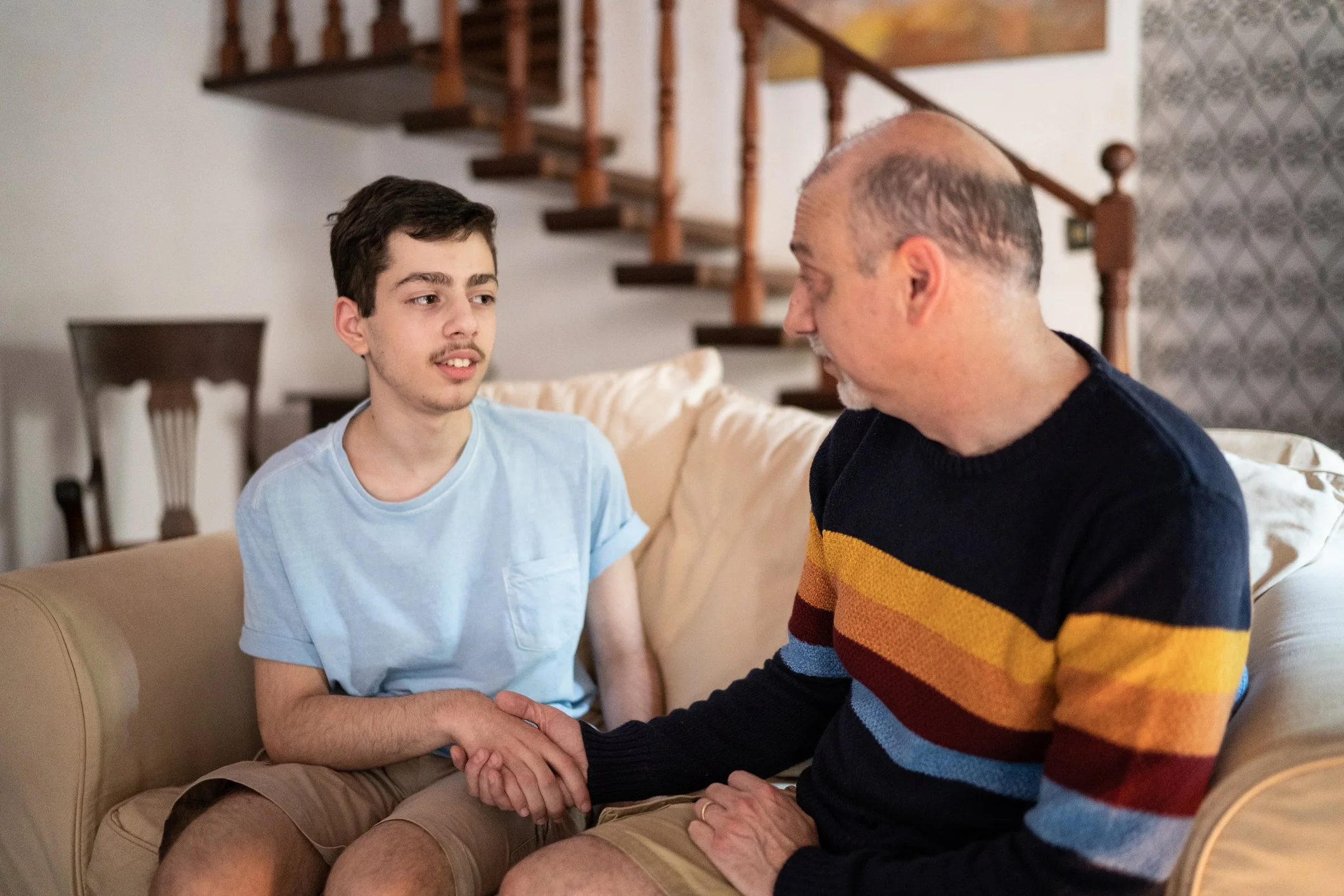
Autism is a neurodevelopmental condition that affects individuals in varied and unique ways. It can influence communication, sensory processing, emotional regulation, and patterns of interest or behavior. There is no single way individuals are affected by autism. Each young person brings their own strengths, challenges, preferences, and ways of experiencing the world.
In child welfare spaces, behavior is often the first thing noticed. When autism is misunderstood, behaviors driven by sensory overload, anxiety, or communication challenges may be labeled as peculiar, defiant, or noncompliant. When we shift our mindset to view behavior as communication, we open the door to more supportive and effective responses.
There is also a lingering misconception that all Autistic youth have intellectual disabilities or are unable to communicate. In reality, autism manifests across a broad range of cognitive and language abilities. Some youth may mask their difficulties or appear highly independent while quietly struggling. Accurate assessment, not assumptions, must guide how we provide support.
Another harmful myth is that Autistic youth do not want or have the capacity to engage in relationships. Like all human beings, people with autism deeply desire connection, safety, and belonging, even if they express those needs differently and require adjustments to more typical ways of expressing connection and being in relationships. With structure, predictability, and intentional skill-building, Autistic youth can and do form strong, meaningful relationships with caregivers, peers, and professionals.
Acceptance means more than awareness. It is an active, ongoing commitment to meeting youth where they are, recognizing their strengths, creating environments that support regulation, and ensuring caregivers have the tools they need to succeed. When teams begin asking “What does this young person need?” rather than “What’s wrong?” stability and outcomes improve.


How Acceptance Shows Up in Everyday Practice
For Autistic youth, daily environments matter. Sensory overload from bright lights, noise, crowded spaces, or frequent transitions can create significant distress. Communication differences can also create challenges. Some youth struggle to express emotions or needs in expected ways, which can lead to misunderstanding and frustration. Small, thoughtful adjustments can make a powerful difference in how safe a young person feels, assist with communication, and support those with autism to experience greater levels of inclusion.
Communication differences can also create challenges. Some youth struggle to express emotions or needs in expected ways, which can lead to misunderstanding and frustration.
Caregivers want to help, but without autism-specific training, even the most committed adults may feel unsure or overwhelmed. Ongoing education, coaching, and consultation increase confidence and consistency, strengthening relationships.
Acceptance becomes real when it guides everyday decisions. Person-centered planning centers youth voice, using visual supports, extra processing time, or alternative communication when needed. Predictable routines reduce anxiety and support emotional regulation. Teaching skills replaces punishment by focusing on the purpose behind behaviors and identifying healthier ways to meet those needs. Collaboration across child welfare, education, and behavioral health systems ensures youth are supported rather than fragmented by services.

NYAP’s Commitment to Youth Affected by Autism and Their Families
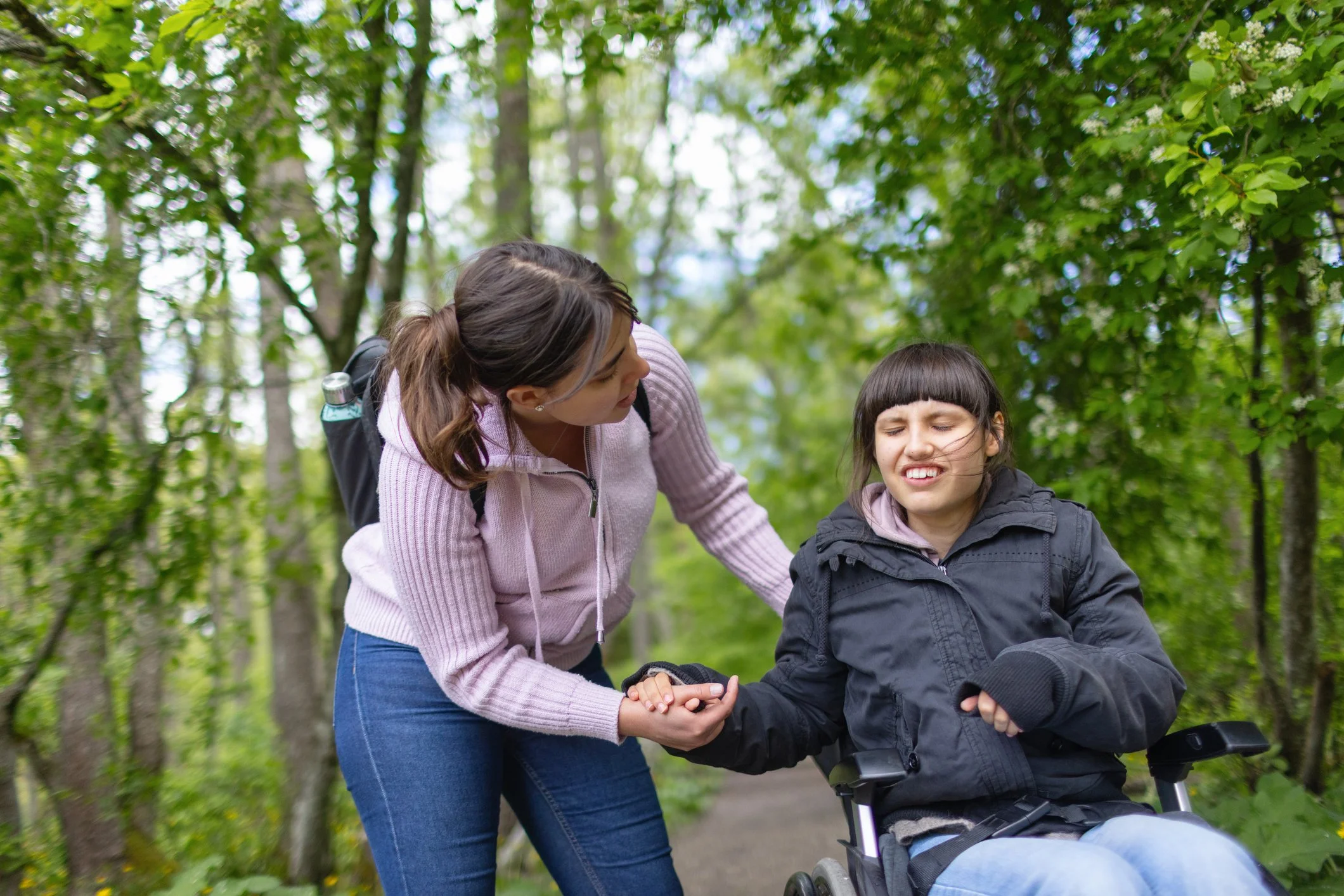
At NYAP, supporting youth with autism means providing services that are strengths-based, developmentally informed, and responsive to individual needs. Behavioral health clinicians incorporate an understanding of neurodevelopment into assessments and treatment planning, recognizing the intersection of autism, trauma, and system involvement.
Foster and kinship caregivers receive training that emphasizes neurodiversity, supportive home environments, and responding to behavior as communication. Caregivers are supported in partnering with schools and service providers and in understanding how structure and predictability promote regulation and connection.
Behavioral consultation and coaching offer practical, real-time strategies that help youth develop skills while maintaining placement stability. Thoughtful placement planning, guided by comprehensive assessment, ensures supports are identified early and matched intentionally.
These approaches reflect NYAP’s core belief that when systems adapt to youth, rather than expecting youth to adapt to systems, everyone benefits.


Everyone Has a Role in Acceptance
Autism acceptance happens in everyday moments. It shows up when we listen with curiosity rather than assumption, when we create structure to reduce stress, and when we advocate within systems for individualized support. It grows when we value lived experience and recognize youth and families as experts in their own needs. Most importantly, acceptance thrives when we focus on strengths, and capacity grows when it is seen, named, and nurtured.
Acceptance fosters stability. It strengthens relationships. And it expands opportunities for youth with autism to thrive.
Additional Resources:
Autistic Self Advocacy Network
https://autisticadvocacy.org
Autism Society
https://www.autismsociety.org
National Autistic Society
https://www.autism.org.uk
Autism Navigator
https://autismnavigator.com
IRIS Center Autism Modules
https://iris.peabody.vanderbilt.edu