
Intensive In-Home Services (IIHS)
Helping Youth Thrive at Home & in Their Communities
OHIO
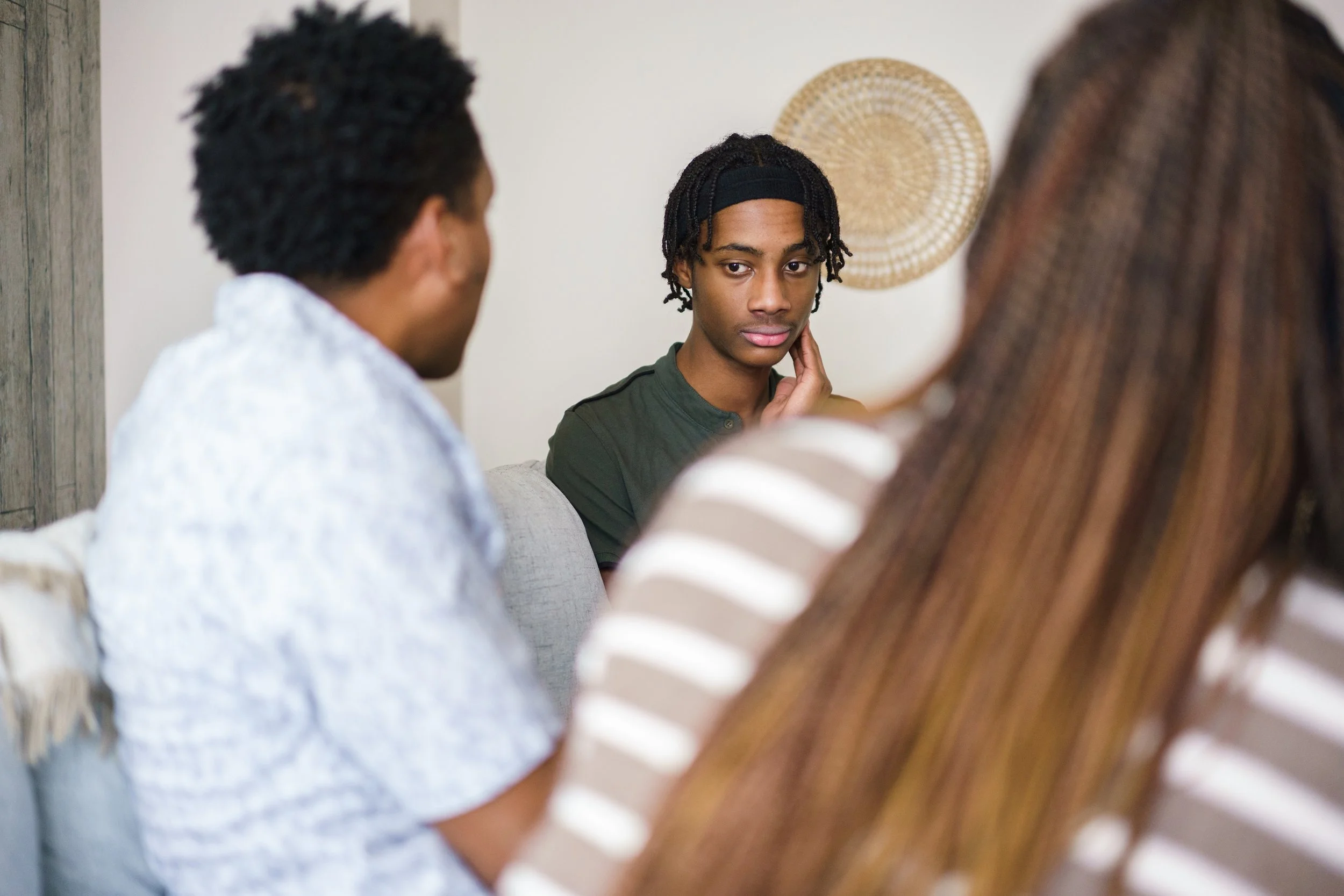
At the National Youth Advocate Program (NYAP), we believe youth do their best when they can safely remain with their families in their communities. Intensive In-Home Services (IIHS) helps make this possible by providing behavioral health support for youth experiencing significant behavioral or mental health challenges.
Through individualized services, we work with youth to build the skills they need, strengthen relationships, and achieve greater stability while remaining safely at home or transitioning back to their families.
Services focus on helping youth and families:
Identify potential risks and create safety plans
Build stronger family and personal relationships
Manage behavioral and mental health challenges
Improve everyday skills and functioning
What We Offer
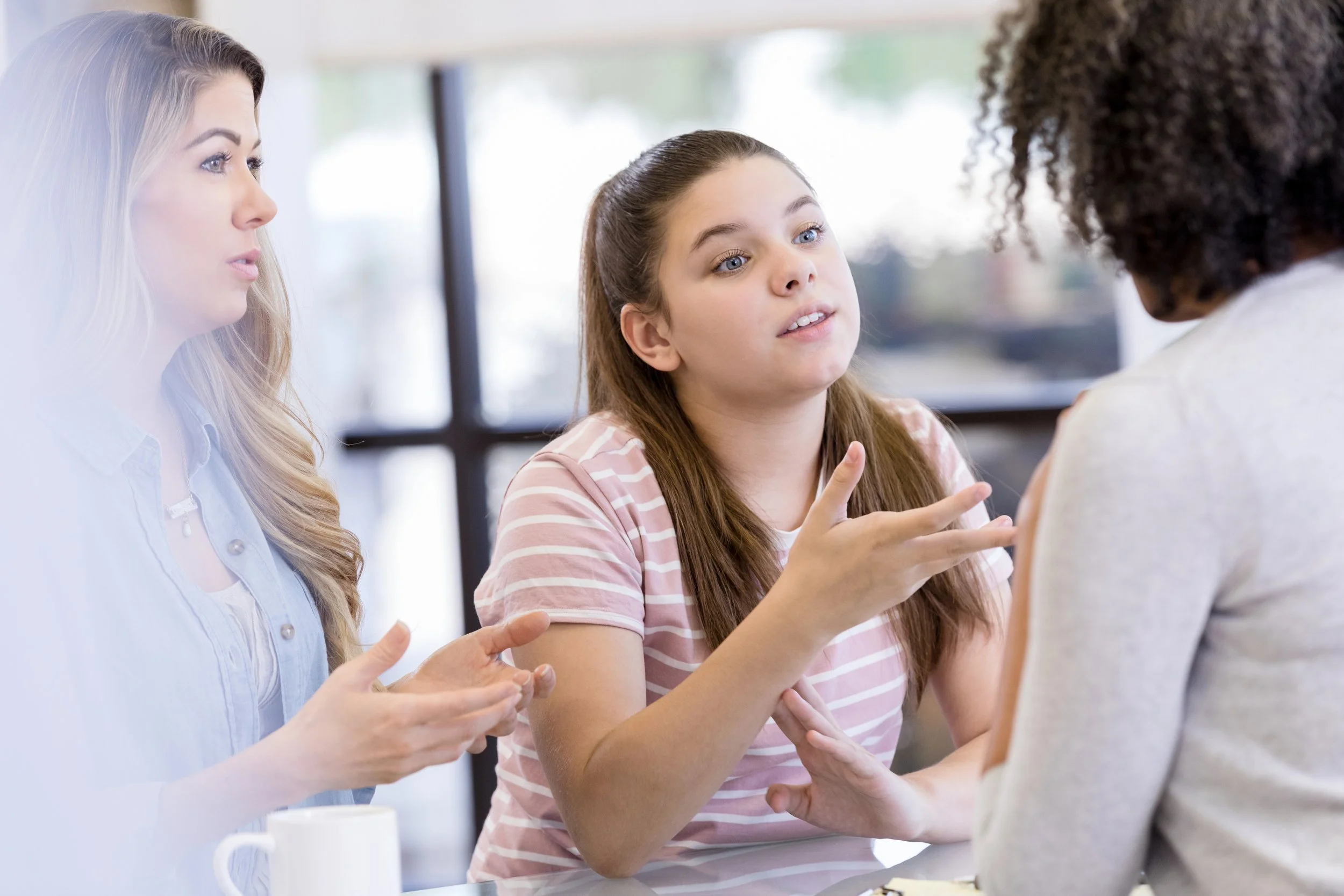
IIHS is designed around each youth and family's needs. Support is provided in familiar settings and works with each family's routine. Services include:
Support in the home, community, and school
Flexible scheduling to fit each family's availability
Generally, four to eight hours of support per week
Support typically lasting three to six months
Who IIHS Serves
IIHS helps youth remain safely at home or successfully return to their family after an out-of-home placement.
Our program is designed for youth who:
Are at risk of being removed from their home due to behavioral or mental health challenges
Have returned home within the past 30 days after an out-of-home placement or are expected to return home within the next 30 days
Need more intensive behavioral health support to remain at home or safely return to their family

IIHS Goals
IIHS helps youth and families work through challenges, build on their strengths, and ensure long-term stability.
The program works to:
Help keep youth and families safely together in their home or support youth in returning home after a stay in a higher level of care
Address safety concerns and help develop healthier ways to manage challenges
Reduce behavioral and mental health symptoms
Build confidence, resilience, and healthy coping skills
Improve relationships and daily functioning at home, school, and in the community


